

Ask any fisho in this country what the first of September means and you'll get one of two answers.
Freshwater blokes and ladies will tell you it's the day the cod go off limits. Anyone who fishes the southern bays will tell you it's the countdown to the best two months of the year.
Both are right. September 1 is the day the Australian fishing calendar flips over, and this year there's more riding on it than usual. Rules are changing in nearly every state, a few fisheries are still recovering from a rough couple of seasons, and more fish than ever are going back over the side rather than into the esky.
Here's what's actually happening, and what it means for your next trip.
1. Murray cod and Murray crayfish close on 1 September
If you fish the Murray Darling, this one is not negotiable.
Murray cod cannot be taken from 1 September to 30 November inclusive across Victoria, New South Wales and Queensland (Mary River cod too). It's a three-month breathing space that lines up with their breeding season, when cod are guarding nests, territorial, aggressive, and frankly far too easy to catch.
There are a handful of exception waters where the closure does not apply, including Lake Eildon in Victoria and Copeton and Blowering dams in New South Wales, because monitoring has shown those fisheries are almost entirely stocked. Every other river, creek and impoundment is closed.
In New South Wales, 1 September is also the day the Murray crayfish season shuts. Crays can only be legally taken from specified sections of the Murray and Murrumbidgee between 1 June and 31 August.
What this means for you: you can still fish those waters; you just can't target or take cod. That means putting the big swimbaits and 100mm plus lures away and dropping down in size if you're chasing Yellow belly. If a cod eats your lure anyway, and one will, it needs to go back fast and in good shape. More on that below.

2. The rules are getting tighter almost everywhere
This is the bigger story of 2026, and it's worth paying attention to even if it hasn't hit your patch yet.
Victoria has been consulting on a Mulloway Improvement Program. A VR Fish survey of just over 500 recreational fishers found overwhelming support for the proposed changes: 91 per cent backed cutting the daily bag limit from five to two, and 84 per cent backed lifting the minimum size from 60cm to 70cm. There was even stronger support for restarting a tagging program and trialling mulloway stocking. That's fishos voting to catch fewer fish, which tells you how the mood has shifted.
New South Wales has lifted minimum legal lengths on a number of species this year and trimmed bag limits on others. If you haven't looked at the guide since last summer, you're probably carrying at least one number in your head that's now wrong.
South Australia is still working through the aftermath of the Karenia algal bloom that started in March 2025 and knocked around key species like King George whiting, garfish, calamari and blue swimmer crab. The bloom itself has largely receded, but recovery measures and temporary limit reductions have been running through 2026 and are reviewed regularly.
Western Australia continues to run tight rules on West Coast demersal species, with reduced bag limits on at risk species and changes to some size limits.
What this means for you: check before you go, every trip, and don't rely on your mate's memory or a Facebook comment. Every state has a free app now. Download the one for wherever you're fishing and check it at the ramp.
3. More fish are going back, so releasing them well is now the skill that matters
Here's the practical upshot of all of the above.
Higher size limits, lower bag limits and closed seasons all mean the same thing: you are going to handle and release more fish this spring than you did five years ago. A released fish that dies twenty minutes later hasn't helped anyone.
Getting it right isn't complicated:
- Have your tools out before the fish is in the boat. Fumbling through a tackle bag while a fish thrashes on the deck is how fish get hurt and hands get hooked.
- Wet your hands, or better, don't touch the fish at all. Dry hands strip the protective slime coat. A lip gripper lets you control the fish without a bear hug.
- Support the weight properly. Hanging a big cod or mulloway vertically by the jaw can do internal damage. Support the belly.
- Cut the line on a deep hook. If it's swallowed, a quick snip close to the hook is far better than digging around. Most hooks rust or work free.
- Keep it short. Aim for under 30 seconds out of the water. Get the photo, admire it, put it back.
- Watch for barotrauma. If you're pulling fish from deep water and they can't swim down, a release weight will get them back to depth.
None of this needs to be preachy. It's just the difference between a fish that swims off strong and one that floats belly up behind the boat while you pretend you didn't see it.

4. What's about to fire
While the freshwater blokes are counting down to December, plenty is happening elsewhere.
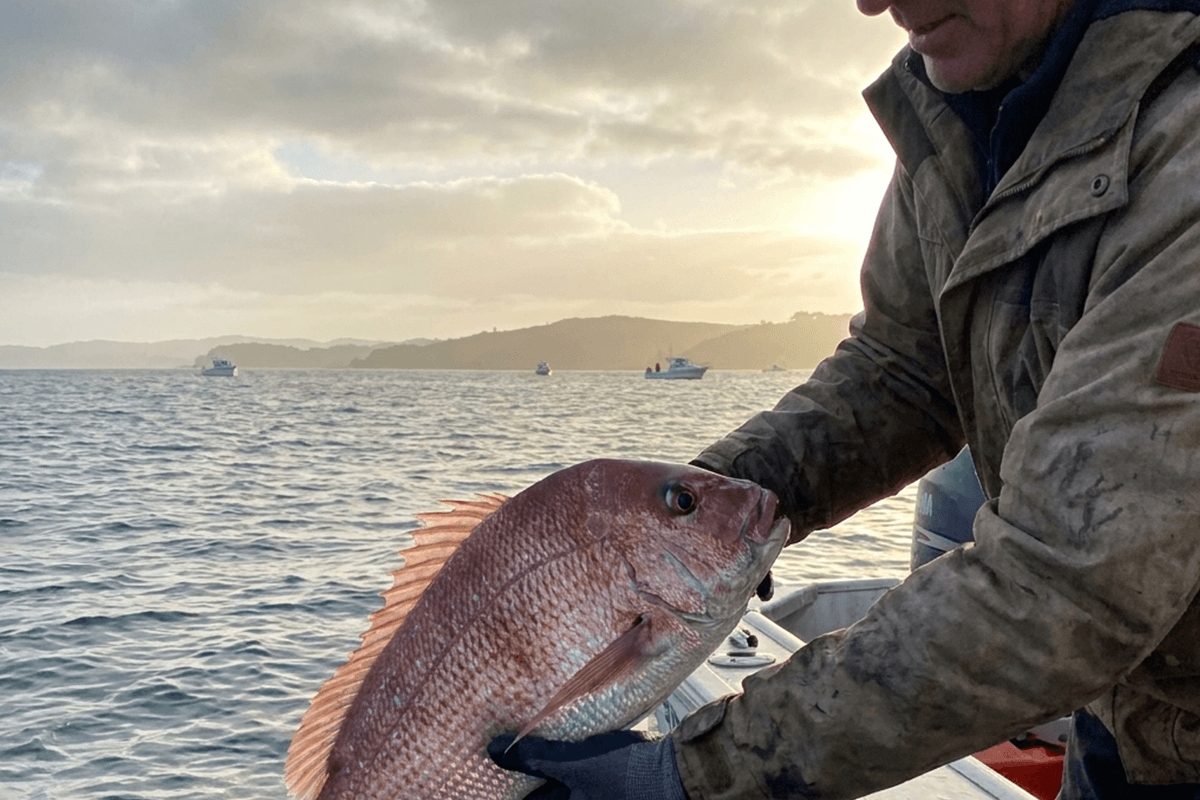
Snapper is the big one down south. Reds start pushing into Western Port from late August, with Port Phillip usually three to four weeks behind, so mid to late September onwards. Peak is generally mid-October to mid-November. If you only fish a handful of days a year, that's the window to book off work.
Tasmanian trout season opened on 1 August, so the highland lakes and rivers are already in play.
Southern bluefin and yellowfin have been showing up off the New South Wales coast through the cold months, and winter kingfish are still around for anyone game enough.
Squid, whiting and salmon keep the bays honest right through the changeover.
https://jacknortonfishing.com/collections/gripper-bundle-sale
5. The ten-minute spring gear check
Before your first proper spring session, do this. It takes less time than the drive to the ramp.
- Check your line. Winter UV and salt do more damage than you'd think. Strip and respool anything doubtful.
- Rinse and oil your pliers, grippers and cutters. Salt eats tools that sat in a wet bag all winter.
- Sharpen or replace your line cutter blades. A blunt cutter is useless when you need to snip a leader fast.
- Sharpen your fillet knife.
- Check your hooks for rust and your trebles for bent points.
- Restock the first aid kit, and know what to do if you put a hook through a finger.
- Check your safety gear and your licence.
- Check the current rules for your state.
https://jacknortonfishing.com/pages/tool-maintenance-product-care
Tight lines
September is the reset. Give the cod their three months, check the numbers before you head out, and make sure the fish you put back actually swim away.
If your tools didn't survive the winter, or you're sorting a Father's Day gift for someone who'd rather be on the water than anywhere else, have a look at our range. Every tool can be laser engraved with a name, a date, or whatever line will make them laugh every time they pull it out of the bag.
Get out there and enjoy it.
Rules and limits change. Always check the current regulations with the fisheries authority in the state you're fishing before you head out.
Can I Take My Rod On A Flight